Weshoot.com

The Official We Shoot Blog

  • Home
  • About
  • To Comment

Posts Tagged ‘food’

We Shoot Photography Of The Day For 5/26/2015

Tuesday, May 26th, 2015

Click on image to enlarge. 

Click on back button to return to post.

Click the “Home” tab above to see earlier posts.
Hamburger And Fries

Hamburger and fries on a plate created for a restaurant chain by Seattle Food Photographer We Shoot.

Seattle Food Photography by We Shoot

Tags: bun, cheese, dinner, food, french fries, fries, hamburger, lunch, meal, meat, photographer, pickle, pickles, plate, restaurant, Seattle, tablecloth
Posted in Information, Photographs, Images | Comments Off on We Shoot Photography Of The Day For 5/26/2015

We Shoot Photography Of The Day For 5/22/2015

Friday, May 22nd, 2015

Click on image to enlarge. 

Click on back button to return to post.

Click the “Home” tab above to see earlier posts.

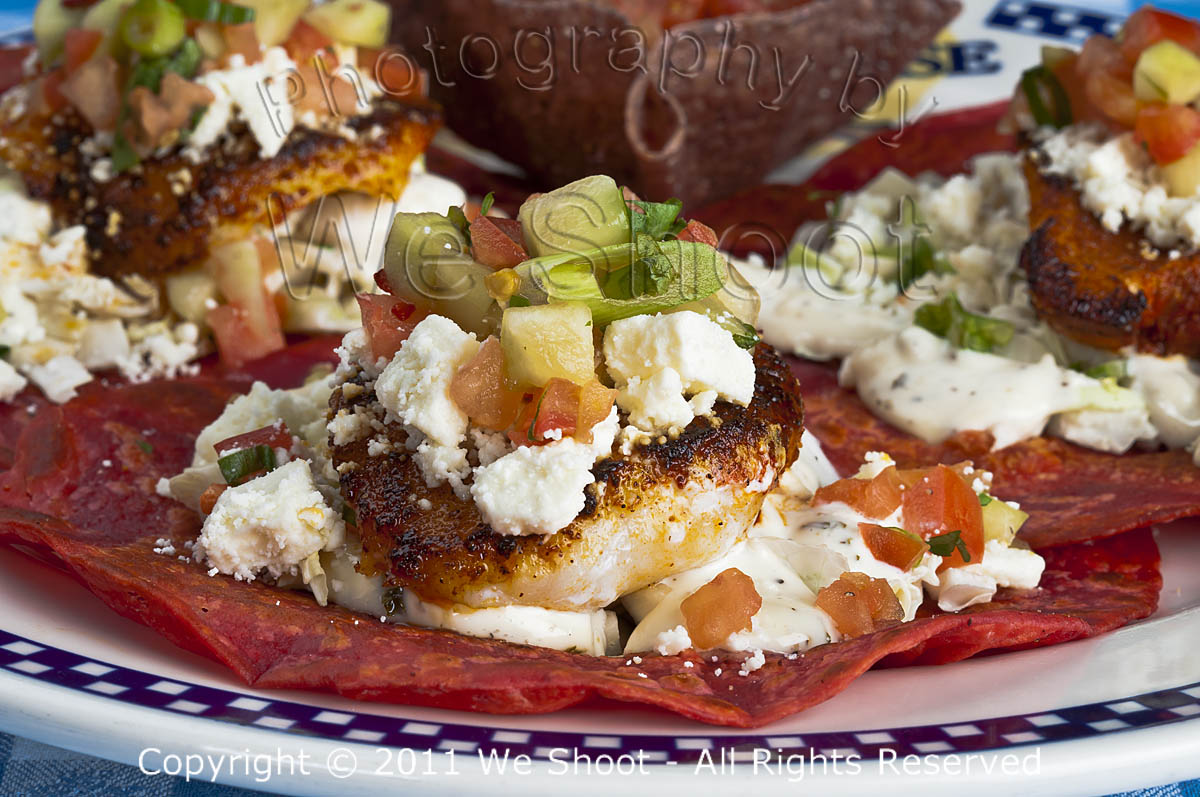
Fish Tacos

Fish Tacos image created for restaurant chain by Seattle food photographer, We Shoot.

Seattle Food Photography by We Shoot

Tags: fish, fish tacos, food, food service, industry, meal, paper, potato, potatoes, restaurant, seasoned, tortilla, tortillas
Posted in Information, Marketing, Photographs, Images | Comments Off on We Shoot Photography Of The Day For 5/22/2015

We Shoot Photography Of The Day For 5/20/2015

Wednesday, May 20th, 2015

Click on image to enlarge. 

Click on back button to return to post.

Click the “Home” tab above to see earlier posts.

French Fries

Fish and chips image created for restaurant chain by Seattle Food Photographer, We Shoot.

Seattle Food Photography by We Shoot

Tags: chips, crisp, crisps, fish, fish and chips, food, food service, freedom fries, french fries, industry, meal, paper, potato, potatoes, restaurant, seasoned
Posted in Information, Photographs, Images | Comments Off on We Shoot Photography Of The Day For 5/20/2015

We Shoot Photography Of The Day For 5/18/2015

Monday, May 18th, 2015

Click on image to enlarge. 

Click on back button to return to post.

Click the “Home” tab above to see earlier posts.

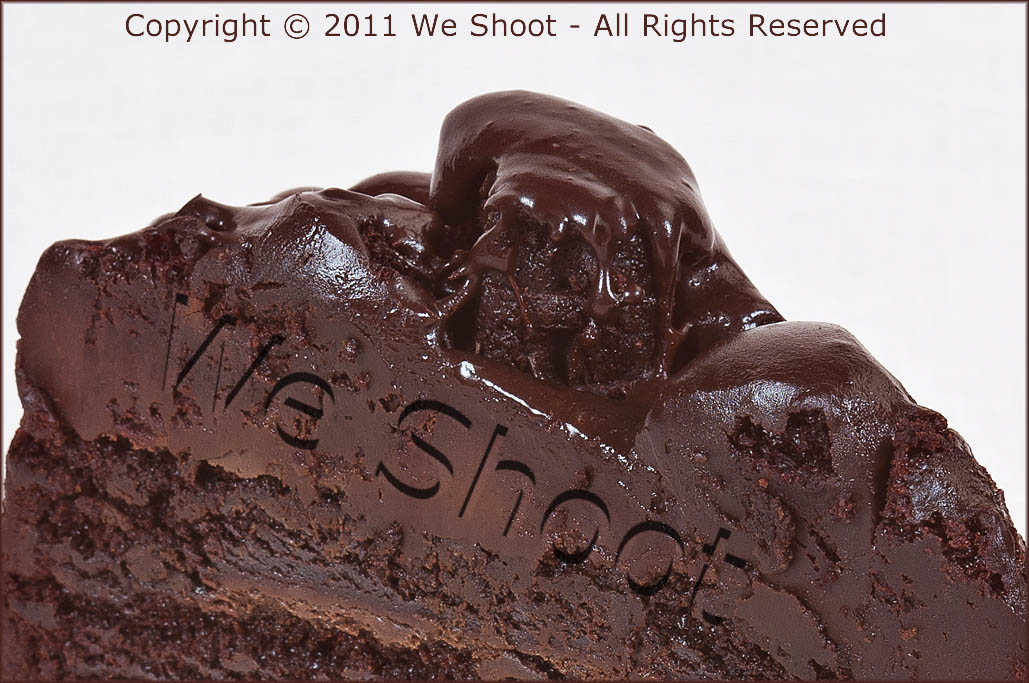
Chocolate

Chocolate icing on a chocolate cake by Seattle Food Photographer, We Shoot


Seattle Food Photography by We Shoot

Tags: cake, chocolate, commercial, commercial photography, devil's food, food, food industry, frosting, fudge, icing, photographer, photography, Seattle, sweet, sweets
Posted in Information, Photographs, Images | Comments Off on We Shoot Photography Of The Day For 5/18/2015

We Shoot Photography Of The Day For 5/14/2015

Thursday, May 14th, 2015

Click on image to enlarge.  Click on back button to return to post. Click the “Home” tab above to see earlier posts.

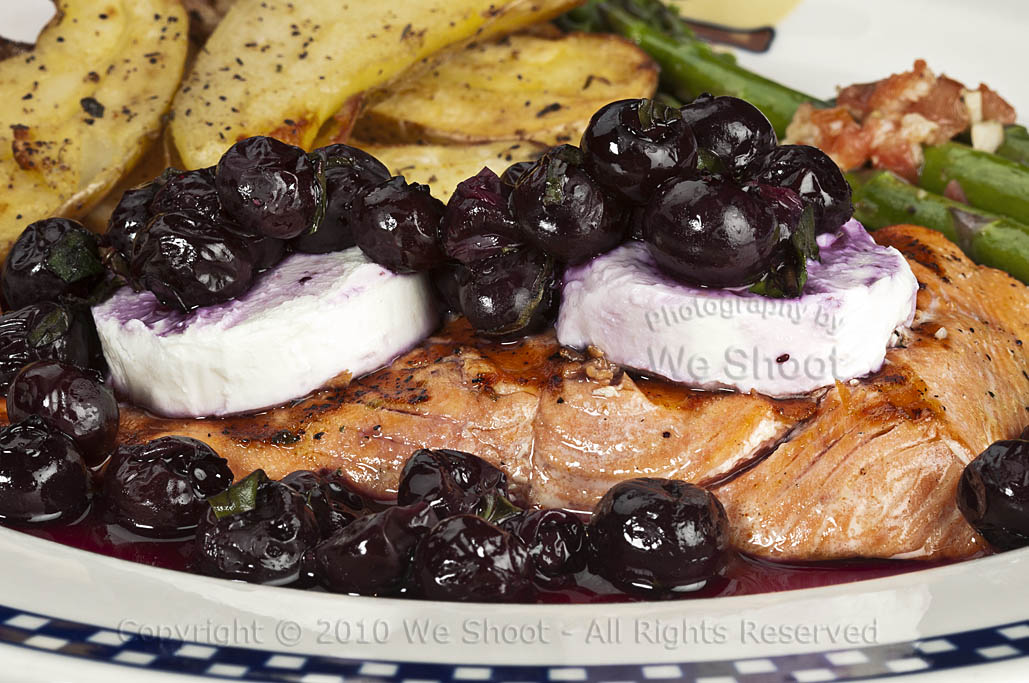
Food Photography

Seafood image by Seattle Food Photographer, We Shoot


Tags: blueberries, blueberry, commercial, food, food industry, food photographer, fries, goat cheese, photography, salmon, seafood, Seattle
Posted in Information, Photographs, Images | Comments Off on We Shoot Photography Of The Day For 5/14/2015

A We Shoot Photograph For 5/12/2015

Tuesday, May 12th, 2015

Click on image to enlarge. 

Click on back button to return to post.

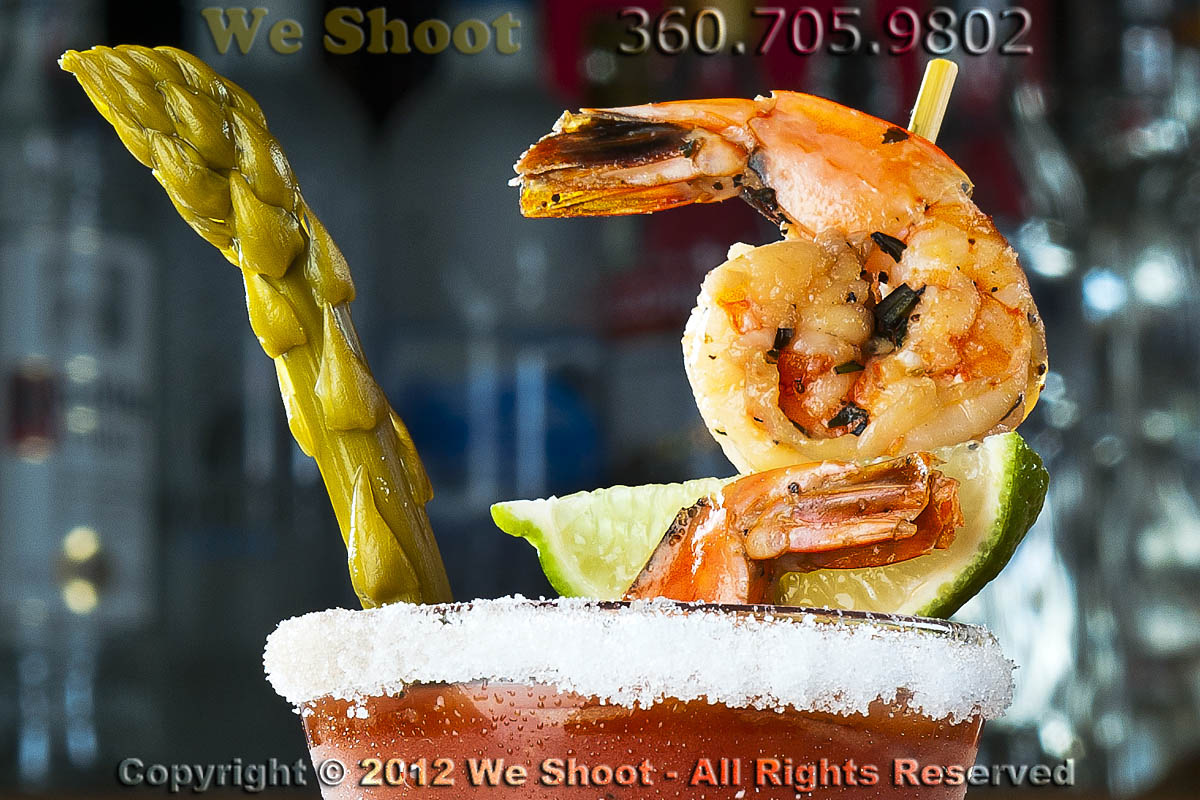
Bloody Mary
Beverages were part of a shoot at a local restaurant chain by Seattle Food Photographer, We Shoot

From our archives of commercial food and beverage photography.

Tags: asparagus, beverage, bloody mary, commercial, container, food, food industry, glass, lime, lip, photographer, photography, prawn, prawns, salt, Seattle, shrimp, skewer
Posted in Information, Photographs, Images | Comments Off on A We Shoot Photograph For 5/12/2015

Everybody’s a food photographer . . . NOT!

Thursday, July 10th, 2014

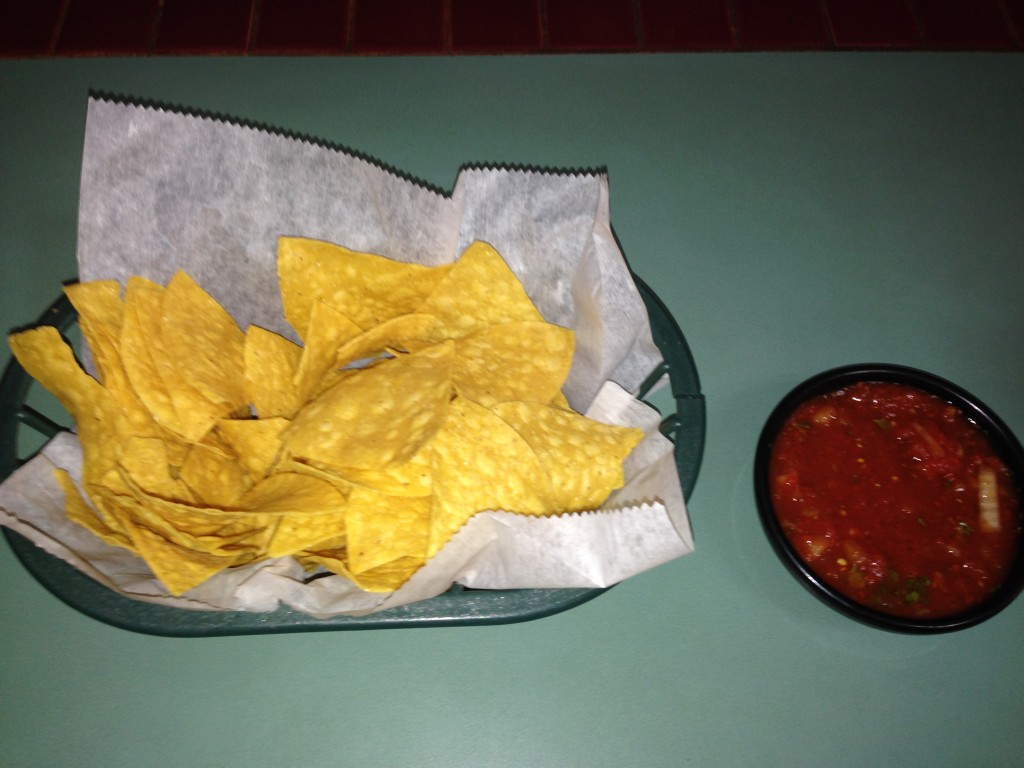
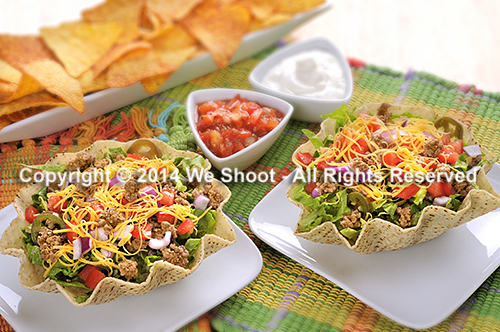
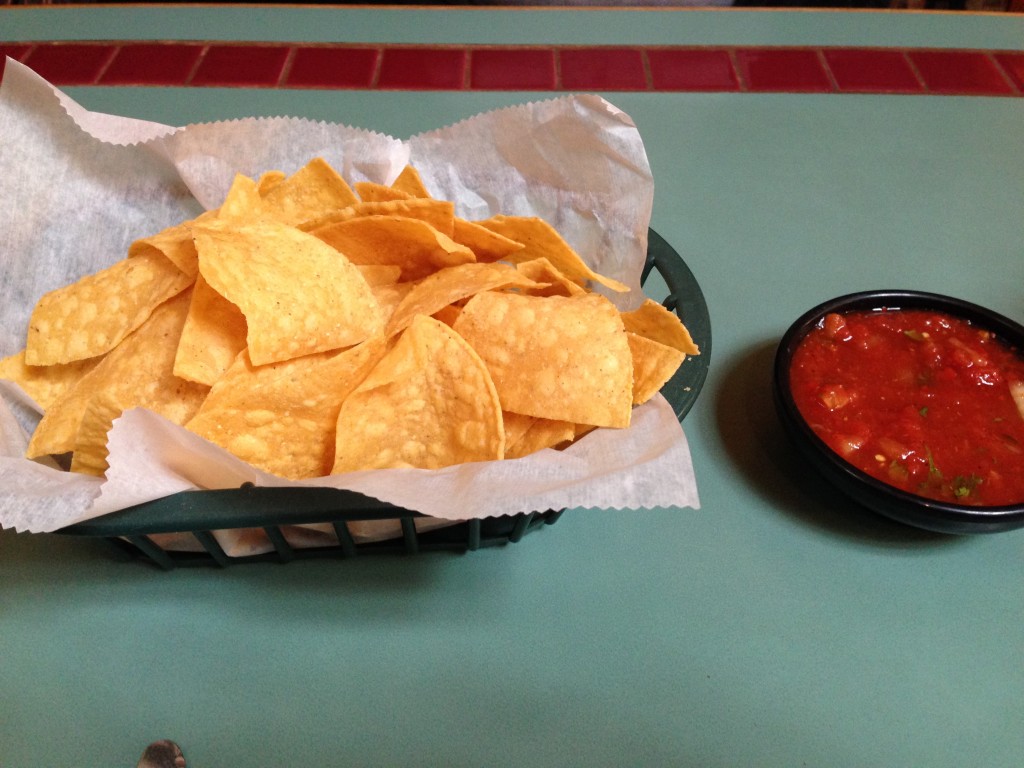
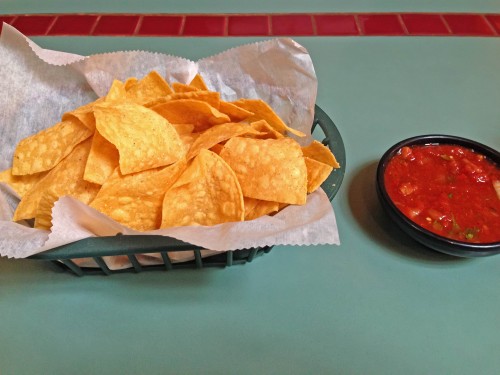
Like a lot of other people, I go to Facebook, Flickr, Twitter, and other social sites, and I see lots of images of food.  Contacts and colleagues, as well as anonymous strangers, have decided to show what they are about to eat, or have partially eaten.  The explosion of cell phone cameras and other low-cost digital cameras has allowed many people to think of themselves as “Food Photographers.” Anyone today with a heartbeat can take a picture.  I look at some of the food photography online, and there are comments from others on this, like:  “That looks so yummy, I wish I could have some!”  Or, “That looks delicious!”  I look at the images and it is all I can do to keep my last meal down.  What I usually see is not well composed, never styled, improperly lit, and the colors are sickly.  This is akin to those blurry, out of focus  images some people take of their kids and post on Facebook, to the delight of their friends and grandparents who say “Great shot!” The one thing they all have in common was that all the images were created for free, once you factor out the cost of the phone or camera, memory cards, readers, computers, and editing software. As I create food photography professionally, I have decided to see if I could take decent images of food with my cell phone and run it through Photoshop to get decent looking food shots. Now, real commercial food photography takes planning, a good food stylist, lots of lighting and equipment, and photographic experience.  It also takes a tremendous amount of patience.  I have dealt with clients, corporate chefs, tight spaces, and less than ideal shooting conditions.  Sometimes the food looks great but is actually inedible because things are done to it for the purpose of great photography. I went out to a favorite Mexican restaurant for dinner the other night and, as usual, I brought along my iPhone, which actually has a decent camera built-in (for what it is).  It takes 8 megapixel images in .jpg form.  It performs reasonably well in relatively low lighting conditions.  It has a strobe.  But, first, it doesn’t shoot in RAW format. This is important for making better final images.  More megapixels means more information and higher enlargement quality.  Not all megapixels are equal.  There are many cell phones that have larger pixel counts than the iPhone, but the picture quality isn’t as high, as evidenced by the fact that several stock agencies will accept still images and video from iPhones, but not other cell phones.  Image noise becomes a factor when jamming high pixel counts on small sensors. For this reason, a cell phone isn’t what a pro would use.  If you are going to shoot food, in my opinion, a 24mm X 16mm sensor in a DSLR at 10 megapixels that shoots in RAW format would be the minimum to use. So, despite my opinion, I decided to experiment as a pro since I have indeed been paid to photograph food by people in the food biz.  I decided to work with the chips and salsa. The first obstacle is lighting.  In this example, we are away from the outside windows and close to an inside wall. I am shooting hand-held.  So it has to be either the ambient room lighting or the camera flash.  Trying the flash, I get the following image: IMG_0388 Although it looks sharp as a small image, there is unacceptable camera movement evident in the full-sized version.  Harsh shadow at the top of the paper.  Loss of light away from the center, and all the color is off.  No styling is evident.  This was just the way the food was delivered.  Yet I see images on FB worse than this with someone saying “yummy” in the comments. I then try the somewhat same shot using room lighting, without the strobe.  See the sample image below: IMG_0384   While in-focus and more appealing color is evident and lighting is more even, the shadows are still way too heavy, caused by non-diffused room lighting.  The position of the camera is dictated by my seating.  I can’t get far enough back to get the chips and salsa in the frame.  The tip of my silverware can be seen at the bottom of the image.  Remember that I am shooting as most people do who post images online, not as a pro.  There will be no styling. Next, I take the image and put it through a little Photoshop massage.  It comes out looking like this: IMG_0384 ret With shadows lightened, color enhanced, top of the image straightened, and the silverware tip removed, it looks better – but still nowhere near professional quality.  Maybe worthy of FB, but not for marketing. I will show you a styled, professional image we did a while back of two taco salads, chips, and the rest of the fixings: taco salads As you can see, the color is quite appealing, the image is light and colorful, and the food is crisp and fresh-looking. Shadows are attractive and unobtrusive. The image has been styled by a professional stylist, and a lot of diffused strobe light has been used.  Lighting is off-camera to give highlights where needed and provide depth.  This is professional food photography – the kind supplied by We Shoot.
– Gary Silverstein

Tags: commercial, commercial photographer, commercial photography, food, food photography, Photoshop, retouch, shoot, shooting, weshoot.com
Posted in How To, Information, Learning, Tips | Comments Off on Everybody’s a food photographer . . . NOT!

Bracketing with Studio Strobes . . .

Friday, February 15th, 2013

Product and other forms of commercial photography sometimes require the use of strobes.  Strobes usually provide daylight color balance which helps with architectural photography as it allows a burst of light to light up a room, and use a time exposure to get the (daylight) scene outside a window so it looks like we see it.  Otherwise, the sunlit exterior is blown out, or in some instances, it can look darker and drearier than the interior, if it is overcast outside.  In the case of product, studio strobes are the powerful cousins of your on-camera strobes, and offer many advantages over the smaller units.

First, studio strobes are usually way more powerful, as they use very large batteries, 110v inverters, or wall socket power.  Second, they are portable and don’t have to be mounted on the camera, and give a more pleasing look as they don’t “flat-light” the subject and can be made to mitigate heavy shadows.  They are designed to work with many different accessories from umbrellas to soft boxes.  They can use many different types of wireless triggers.  They can generate more than enough light to shoot at tight apertures, allowing for deep depth of field.  In product and architecture, I find that shooting with small apertures (f11 to f16) allows me to get everything sharp and in focus.  If it is sharp in my original image, I can always create a shallow depth of field look in photo-editing software.  However, the reverse is not true.  Really soft images cannot be brought back into sharp focus even with the best of software.

All of the studio strobes I have used work with totally manual settings.  I usually set my camera on a tripod at f11 to f16 at 1/100th of a second or slower.  The strobe light burst lasts for a very short time.  This eliminates most movement, but how do I bracket under those conditions, since I don’t want to change either the shutter speed or aperture once I start shooting?  The answer is in the manual controls of the studio strobes.  Once I get my best-looking exposure of all elements by shooting and rechecking the image, I plan on shooting a series of images bracketed on either side of that exposure by working the slides or dials on my equipment, usually in half-stop increments.  I may be using as many as 3 or 4 lights at different angles, and each will need to be adjusted individually for each exposure.  This gives me the same object at the same depth of field at the same shutter speed from a dark exposure to an overblown exposure.  Why would I want to do this?  I can then pick and choose the best exposed parts of the object or room and using an editing program, such as Adobe Photoshop, I assemble them to make a perfectly exposed object with detail where it needs to be without any noise.  I can also make an HDR image from all the exposures, if that gets me a better-looking image.

Being a commercial photographer means getting the best satisfactory image for your client.  A commercial photographer having the right equipment and expertise means leaving very little to chance.

– Gary Silverstein

We Shoot

We Shoot is a commercial product, food, industrial, and architectural photography team based in the Seattle area.

Tags: architectural, bracketing, commercial, edit, flash, flat-light, flat-lit, food, hdr, industrial, lighting, off-camera, on-camera, photography, Photoshop, product, shadow, software, strobes, studio strobes
Posted in How To, Learning, Tips | Comments Off on Bracketing with Studio Strobes . . .

Video from still photography . . .

Sunday, December 11th, 2011

Slide shows have been around for a long time. How can someone use a still photograph in a video and see it move? One method in digital slide shows is to “pan” a still image – that is, pan across an enlarged still image by starting at one side of a room, for example, and move your “camera” to the other side of the room as though you were scanning the room with your eyes from one side to another. Another way is to see an element in a photo and to “back away” so as to see the whole image. There are many slide show programs out there which will do this. One thing lacking in these images is depth. If I took a still image of a staircase and “panned” it, it would lack depth. If I took a video camera and panned the same staircase, it would look more real because there would be a perceived foreground (the balusters or stair sticks) and background (back wall), actually appearing to have movement between the foreground and background due to “camera” movement.

A still photograph can’t have that movement – or can it? See the video above, and pay attention to the hamburger plate in relation to the background. This image was a still photo taken during a food shoot for a local restaurant chain, and reworked in both Photoshop CS5.1 Extended and Adobe After Effects CS5.5. As you can see, the meal gets bigger while the background stays the same size, blurs, and appears to move slightly to the right. The plate looks like it is coming toward you and away from the background. This gives the illusion of depth and movement. I have seen this technique in some old sepia photos from bygone eras on TV where a famous Wild West character comes out of an old photo toward you and the “camera” “moves” to the right. This adds a dynamic to a still photo making the subject three-dimensional, and gives the photo a video presence.

-Gary Silverstein
We Shoot

Tags: cheeseburger, commercial and advertising food photography, depth, food, food photography, food video, hamburger, movement, photography, realism, still image
Posted in How To, Tips | Comments Off on Video from still photography . . .

Food Photographers and Food Photography . . . Are you hungry?

Friday, August 19th, 2011

Food photography has been with us . . . well, since there was photography.  But then, there is FOOD PHOTOGRAPHY.  That “It looks so good, I can taste it!” photography.  That “It’s making me hungry photography!”  You know what I am talking about.  Prime examples are the Red Lobster video ads with butter dripping off seafood.  Don’t they make you hungry, even after you just ate?  Now, look at your food images.  Are they the victim of flat lighting  Do they lack color?  Do they make anyone hungry?

Almost everyone has a digital camera.  Some have better digital cameras than others.  Many have a small strobe built into the camera, while others may use a flash unit that fits in a shoe on the camera.  For a commercial pro, that would be the lighting of last resort just to document something.  This is the worst lighting one could use, especially for food.  Any small thing or element that is white or very light gets blown out and loses detail, like sour cream or whipped cream.  If the food image is mostly white or light colored, like vanilla ice cream, the strobe and camera may automatically adjust to make it gray, or a darker color, instead.  Did you ever wonder why the image you tried to take that reflected the flash back displayed as dark or a sickly shade of brown?  That is because the auto-exposure feature of the flash read only the brightest spot in the frame and shut down the strobe before it was able to light the darker areas.  Silverware, other bright metal, and glass have a habit of reflecting very bright hot spots with flat lighting.

Great food photography all has one thing in common: great lighting, which includes positioning the lighting to better enhance the food.  It is critical.  It all starts there.  See Example 1.

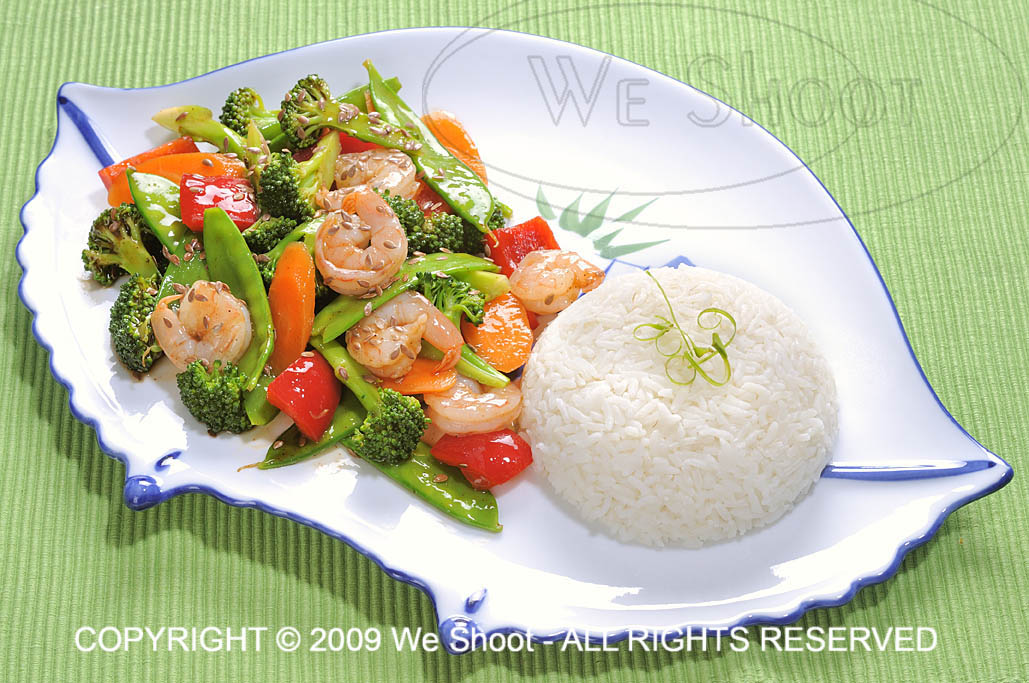
stir-fry

Example 1 - Click on image to enlarge.

See how the glistening highlights make this look juicy and delicious?  To make better-looking food images, the main lighting comes from the back, sides, or above to reflect on the food (in this case with a soft box).  Overall ceiling room lights don’t serve this purpose, nor does a flash mounted directly on a camera.  To see examples of what I see as overall room lighting or direct flash lighting for a similar food dish as Example 1, click here .  Of course, the services of a great food styl ist and a lot of post-production work is done in Photoshop to get the color and look found in Example 1.

It is said that a picture is worth a whole lot of words (1000, 10000, or the amount to be determined by the viewer) .  I say that a great food image is worth that many more sales.  If you are selling food, it pays to do a lot more work creating your food images, or you could hire We Shoot.  You can find us at weshoot.com.

– Gary Silverstein

Tags: food, food photographer, food photography, food stylist, http://weshoot.com, photographer, photography, we shoot
Posted in Learning, Tips | Comments Off on Food Photographers and Food Photography . . . Are you hungry?

Next >>

  • Categories

    • How To (21)
    • Information (548)
    • Learning (30)
    • Lighting (179)
    • Marketing (291)
    • Photographs, Images (545)
    • Tips (38)
    • Uncategorized (2)
    • video (13)
  • Archives

    • September 2025
    • June 2025
    • May 2025
    • April 2025
    • January 2025
    • December 2024
    • November 2024
    • September 2024
    • August 2024
    • July 2024
    • June 2024
    • May 2024
    • April 2024
    • March 2024
    • February 2024
    • December 2023
    • November 2023
    • October 2023
    • September 2023
    • August 2023
    • July 2023
    • May 2023
    • February 2023
    • January 2023
    • October 2022
    • September 2022
    • August 2022
    • July 2022
    • March 2022
    • February 2022
    • January 2022
    • December 2021
    • July 2021
    • June 2021
    • May 2021
    • April 2021
    • March 2021
    • February 2021
    • January 2021
    • December 2020
    • November 2020
    • October 2020
    • September 2020
    • August 2020
    • July 2020
    • June 2020
    • May 2020
    • April 2020
    • March 2020
    • February 2020
    • January 2020
    • December 2019
    • November 2019
    • October 2019
    • September 2019
    • August 2019
    • July 2019
    • June 2019
    • May 2019
    • April 2019
    • March 2019
    • February 2019
    • January 2019
    • December 2018
    • November 2018
    • October 2018
    • September 2018
    • August 2018
    • July 2018
    • June 2018
    • May 2018
    • April 2018
    • March 2018
    • February 2018
    • January 2018
    • December 2017
    • November 2017
    • October 2017
    • September 2017
    • August 2017
    • July 2017
    • June 2017
    • May 2017
    • April 2017
    • March 2017
    • February 2017
    • January 2017
    • December 2016
    • November 2016
    • October 2016
    • September 2016
    • August 2016
    • July 2016
    • June 2016
    • May 2016
    • April 2016
    • March 2016
    • February 2016
    • January 2016
    • December 2015
    • November 2015
    • October 2015
    • September 2015
    • August 2015
    • July 2015
    • June 2015
    • May 2015
    • July 2014
    • June 2014
    • May 2014
    • September 2013
    • June 2013
    • March 2013
    • February 2013
    • January 2013
    • December 2012
    • October 2012
    • July 2012
    • June 2012
    • May 2012
    • March 2012
    • February 2012
    • December 2011
    • September 2011
    • August 2011
    • July 2011
    • March 2011
    • December 2010
    • October 2010
    • September 2010
    • July 2010
    • June 2010
  • Meta

    • Log in
    • Entries RSS
    • Comments RSS
    • WordPress.org

Copyright © 2026 - weshoot.com | Entries (RSS) | Comments (RSS)

WordPress theme designed by web design